What is happening
The live condition of every connected building, activity, resource, and production cycle.
Predictive intelligence for the physical world
The intelligence layer for autonomous construction.
TAKT creates the intelligence layer for autonomous construction: a live production twin that learns from every cycle, predicts what happens next, and progressively automates the decisions that keep the construction line moving.
It gives large construction programs the foresight to deliver more homes, faster, with more predictable schedules, more consistent quality, and fewer costly surprises.
Built for problems measured in cities, not sites
How do you deliver housing at that scale?
Not as 1.5 million separate projects.
As one intelligent production system.
TAKT is built for construction challenges of this magnitude. It connects buildings, crews, materials, equipment, machinery, and robots to one live production twin.
At this scale, a small delay repeated across thousands of construction cycles becomes a problem measured in neighborhoods.
But a small improvement repeated at the same scale becomes entirely new production capacity.
TAKT turns repetition into advantage. Every cycle sharpens the forecast. Every forecast creates more time to act. Every better decision helps the construction line produce more.
From hindsight to foresight
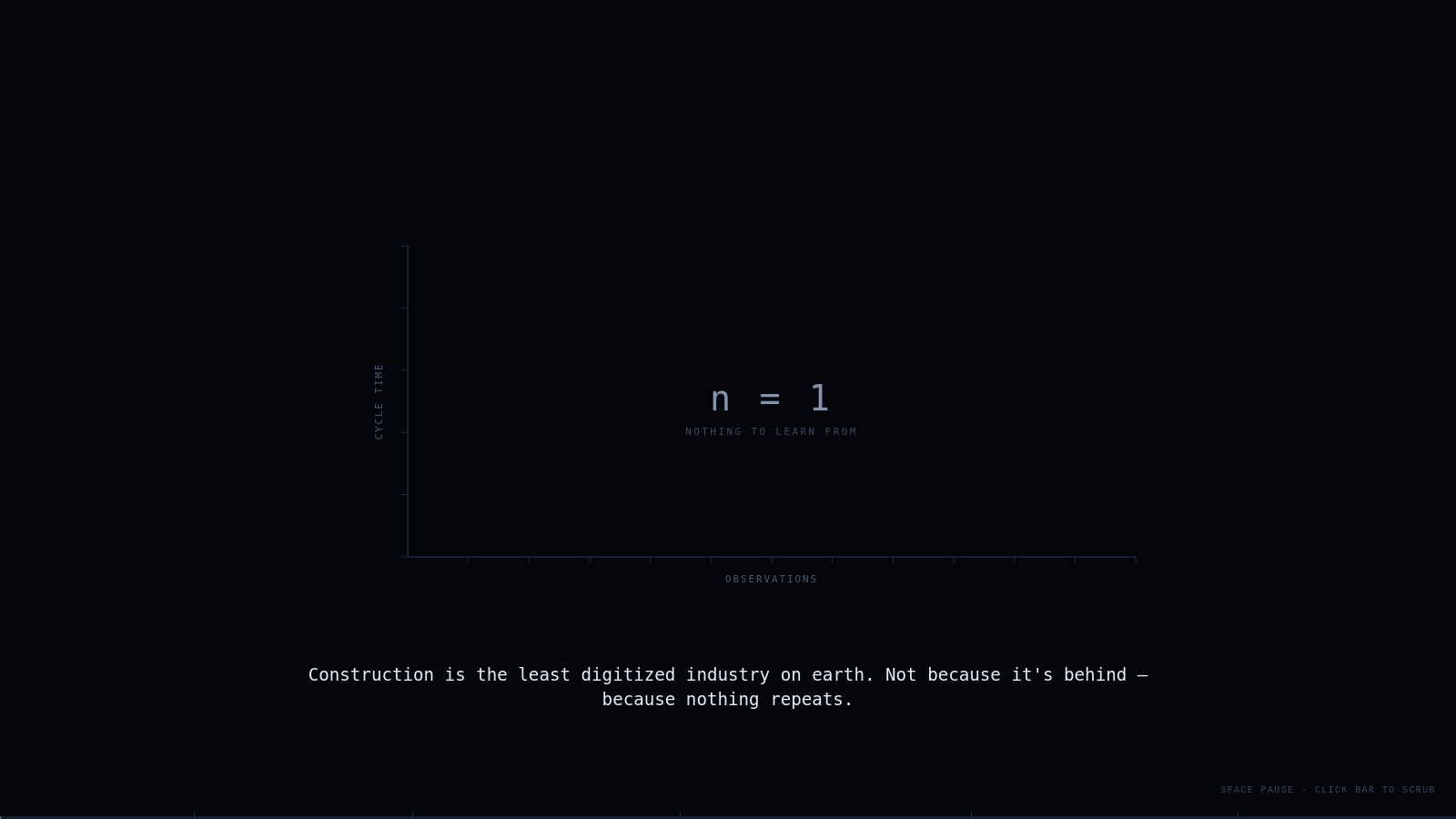
Conventional construction is planned in advance and adjusted as conditions change.
TAKT looks forward continuously.
Its production twin understands the current state of the construction line, calculates where production is heading, and identifies what could prevent the next target from being achieved.
Predictive analytics is not another TAKT feature. It is the reason the twin exists.
A digital twin that looks forward
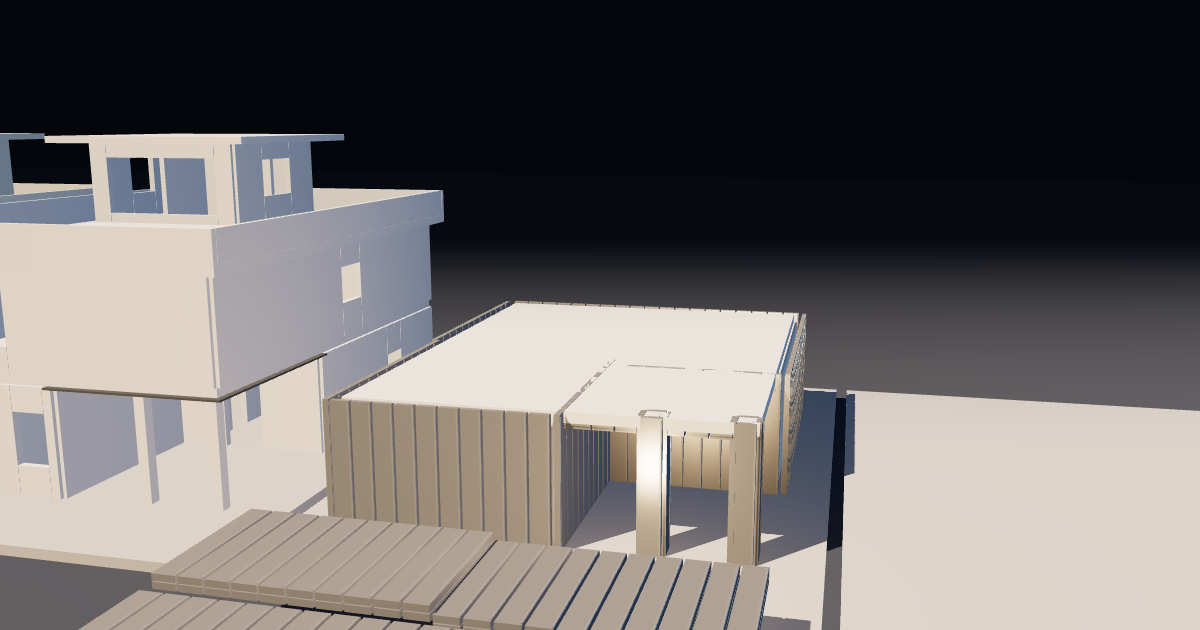
TAKT creates a continuously updated model of the construction operation.
It brings together design, planned production, actual progress, crew rhythm, material flow, available assets, machinery, quality, and conditions on the ground.
Every new signal updates the predicted future of the construction line.
Every completed cycle tests that prediction against the physical result.
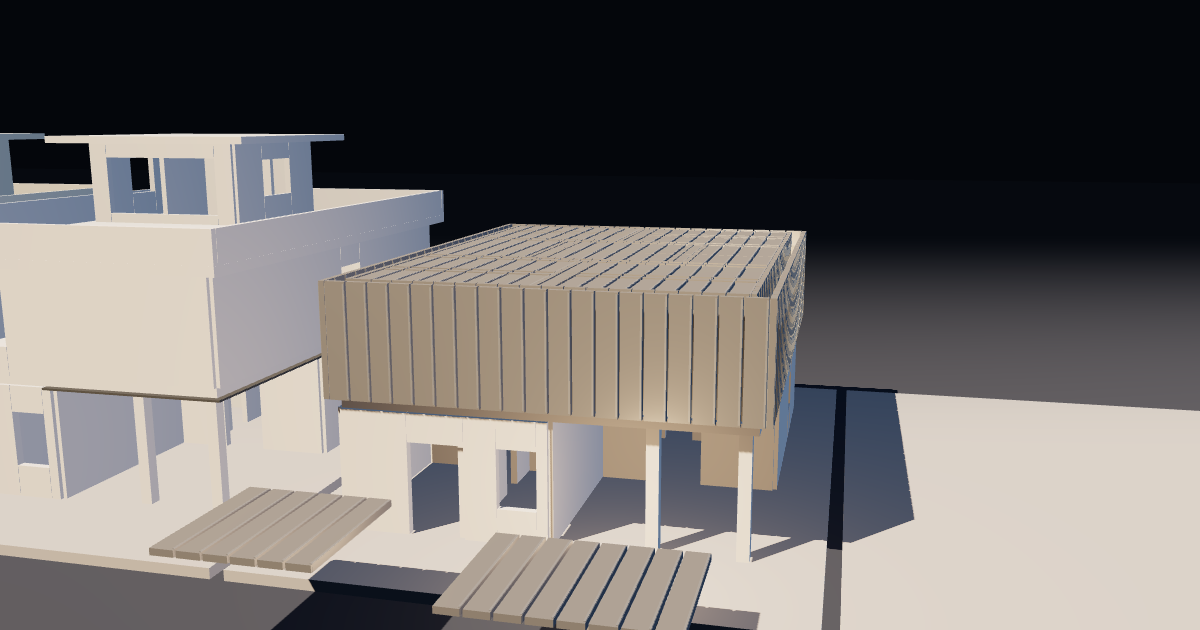
The live condition of every connected building, activity, resource, and production cycle.
Predicted readiness, cycle duration, resource demand, bottlenecks, quality risks, and schedule outcomes.
The action most likely to keep production moving toward its target.
Prediction with a commercial purpose
Know when the next activity is likely to begin, so crews, materials, machinery, and robots can arrive when production needs them.
The benefit
Smoother handoffs and less time lost between activities.
Identify the crew, material, asset, or preceding task most likely to constrain production.
The benefit
Resources can be rebalanced before the entire line slows down.
Continuously forecast completion using actual production behavior rather than relying only on the original schedule.
The benefit
More dependable delivery forecasts and earlier warning when targets are at risk.
Calculate what the line will require next and when it will be required.
The benefit
Better-timed deliveries, less waiting, and fewer emergency interventions.
Recognize patterns that show where quality begins to drift.
The benefit
Earlier intervention, more consistent outcomes, and less repeated rework.
Compare the likely effect of alternative production decisions before committing resources.
The benefit
Faster decisions based on the future they are likely to create.
Foresight that moves the physical world
TAKT turns predicted outcomes into coordinated action.
It recommends the next production sequence, synchronizes resources, triggers material movements, routes approved instructions to connected machinery, and directs robotic systems toward the work the line needs next.
Selected decisions move from recommendation to approval-based execution to bounded autonomous action.
The result is faster response, more consistent execution, and the ability to scale construction without scaling complexity at the same rate.
One system from design to physical execution
TBS brings together the three capabilities required to transform construction.
Creates the repeatable physical production system.
Predicts, optimizes, and orchestrates what the production system should do next.
Transforms approved decisions into precise physical action.
Together, they create a construction line capable of seeing, learning, deciding, and progressively executing more of its own work.
Mass production does not mean making every home identical. It means producing different homes with the repeatability, speed, quality, and certainty expected from advanced manufacturing.
The result is not more data. It is more homes.
TAKT creates the outcomes that construction at scale demands.
TAKT allows leadership to manage the probable future of production, rather than merely explain its past.
Every home makes the system more intelligent
TAKT remembers what the construction line expected, what actually happened, which decision was made, and whether that decision improved the outcome.
That intelligence does not disappear when a crew moves, a building finishes, or a new development begins.
It travels forward.
The next building benefits from the buildings before it. New sites inherit proven production knowledge. Predictions become sharper. Decisions become faster. More of the line becomes capable of autonomous operation.
The more TAKT sees, the further ahead it can see.
That is how construction scale becomes a technology advantage.
Autonomous construction at city scale
Across a large housing program, TAKT creates one predictive view of production.
It sees where capacity is available, where constraints are forming, what materials are needed next, and how people, equipment, and robotic systems are coordinated across the network.
Thousands of buildings stop behaving like thousands of disconnected projects.
They operate as one learning production system.
A system that builds at the speed, consistency, and scale the world now demands.
The future of construction will be predicted before it is built
TBS is turning construction into mass production.
TAKT is the intelligence layer that makes that production predictive, continuously improving, and progressively autonomous.