01
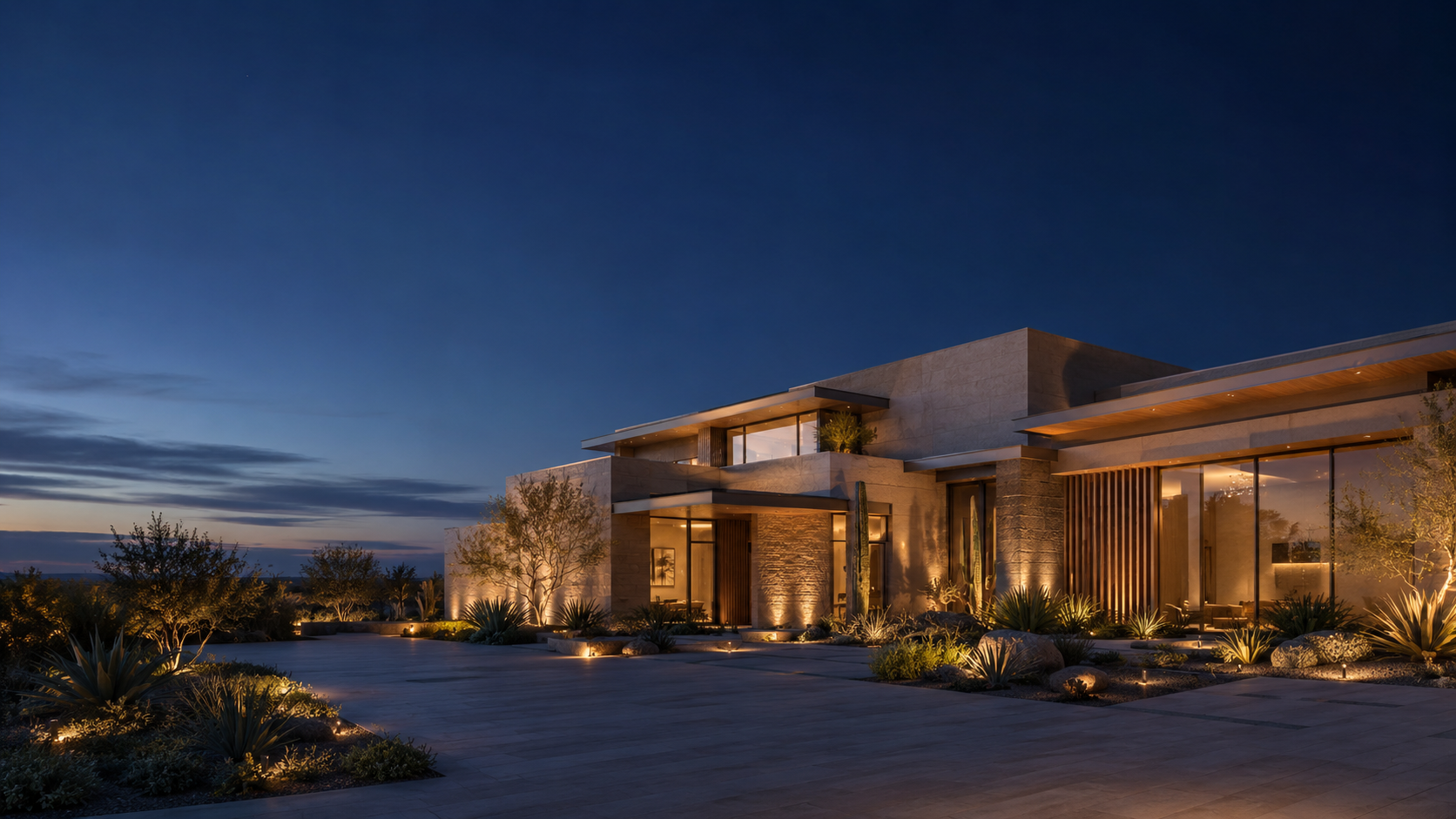
A custom home
Choose the layout, the elevation and the finishes. We standardize everything behind the walls, which is what makes 90 days possible.
AL FURSAN, RIYADH · MEASURED YESTERDAY
Three villas per working day, per production line.
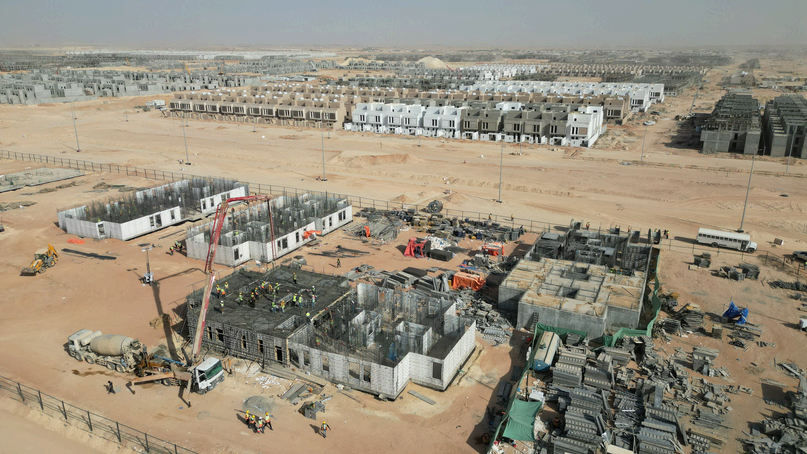
One set of aluminum panels is bolted together, filled with concrete, stripped, and carried to the next plot. Then it happens again. It will happen about 4,300 times before this program is finished.
Nobody waits for a monthly report to learn the rate. Every panel on the site carries a QR code. Every pour is logged the minute it happens. The rate above was measured, which is the only reason we are willing to print it.
That is what a construction company looks like when it is run as a factory.
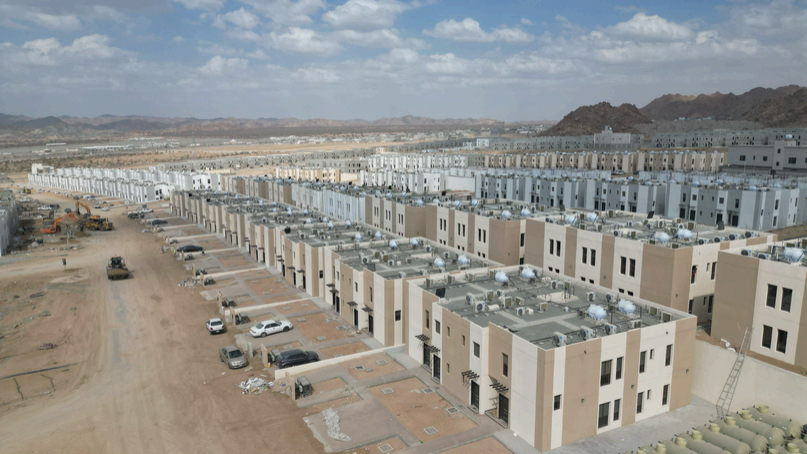
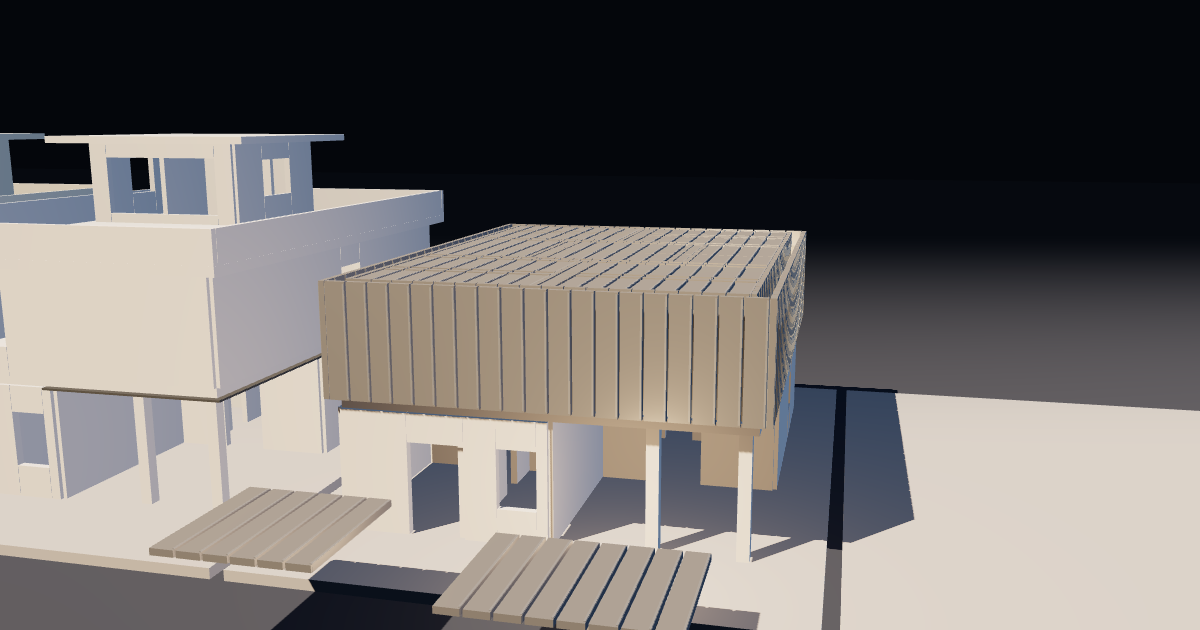
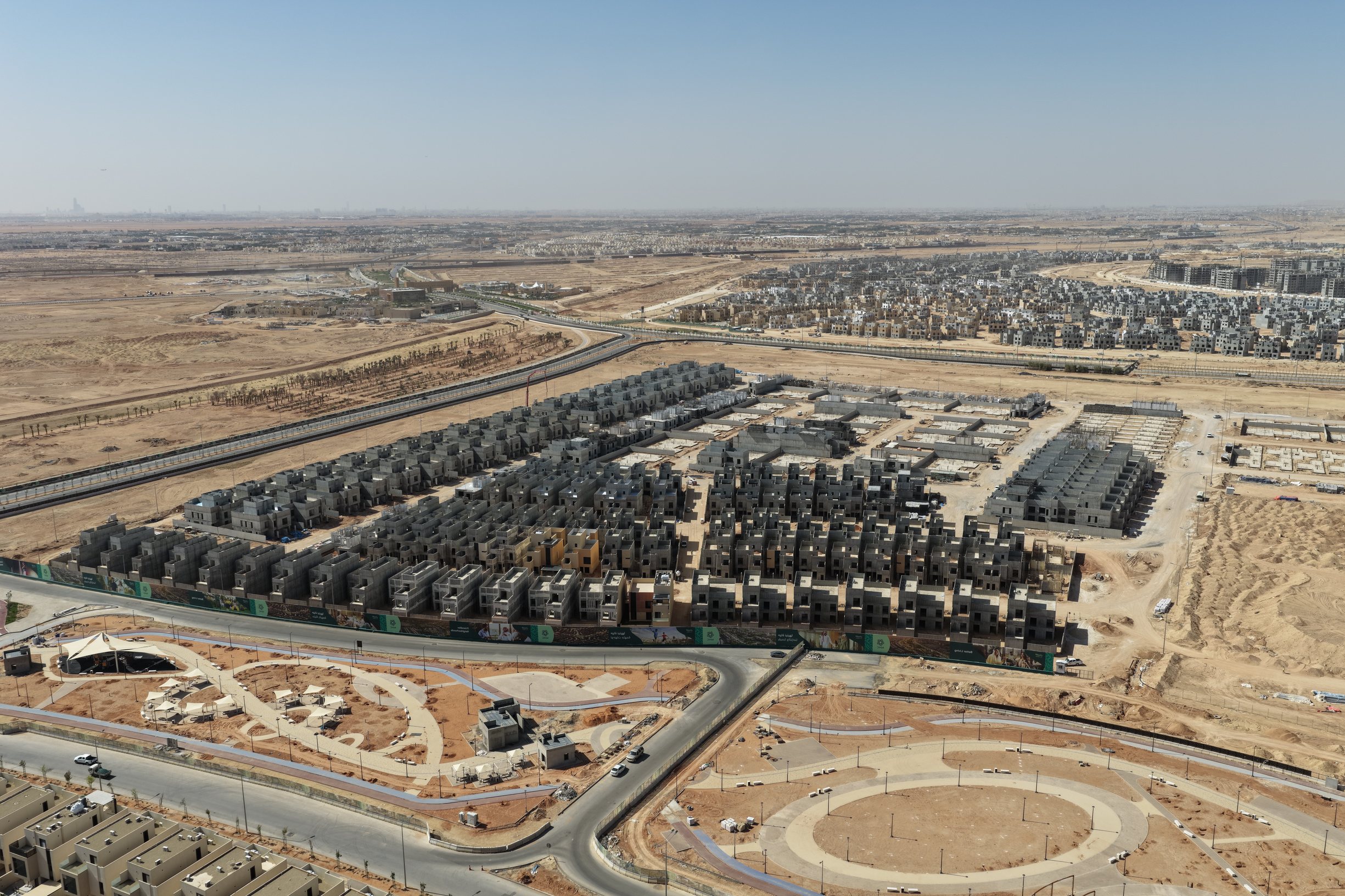
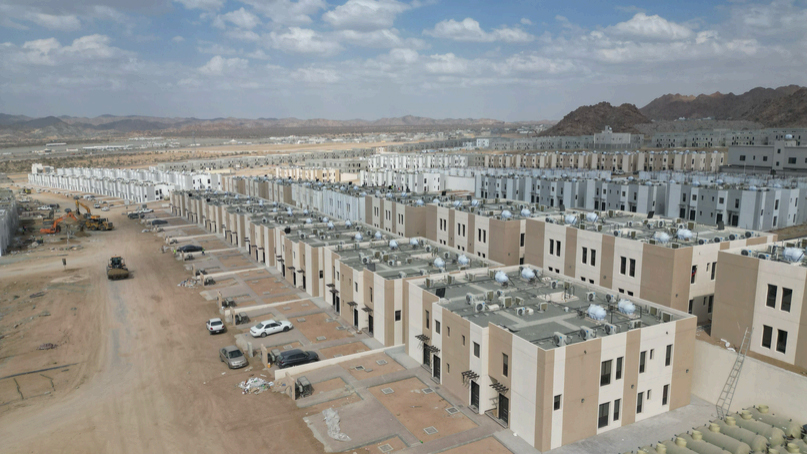
EBAYYA AT AL FURSAN, RIYADH
THE PROBLEM IS ARITHMETIC
Its five major cities are expected to need more than 1.5 million additional homes by 2030, built in a climate where the thermometer passes 50°C.
You cannot solve that by hiring. There are not enough skilled crews in the region, and a shortage does not disappear because a schedule says it should. It can only be solved by getting more finished buildings out of the crews that exist.
That is a manufacturing problem, and manufacturing solved it a century ago. You stop treating each unit as a project. You build a line, you measure its rate, and you improve the rate.
A delay of one day, repeated across a thousand units, costs a thousand days. So does an improvement of one day. At this scale, the small numbers are the only numbers that matter.
START WITH THE RESULT
Choose the layout, the elevation and the finishes. We standardize everything behind the walls, which is what makes 90 days possible.
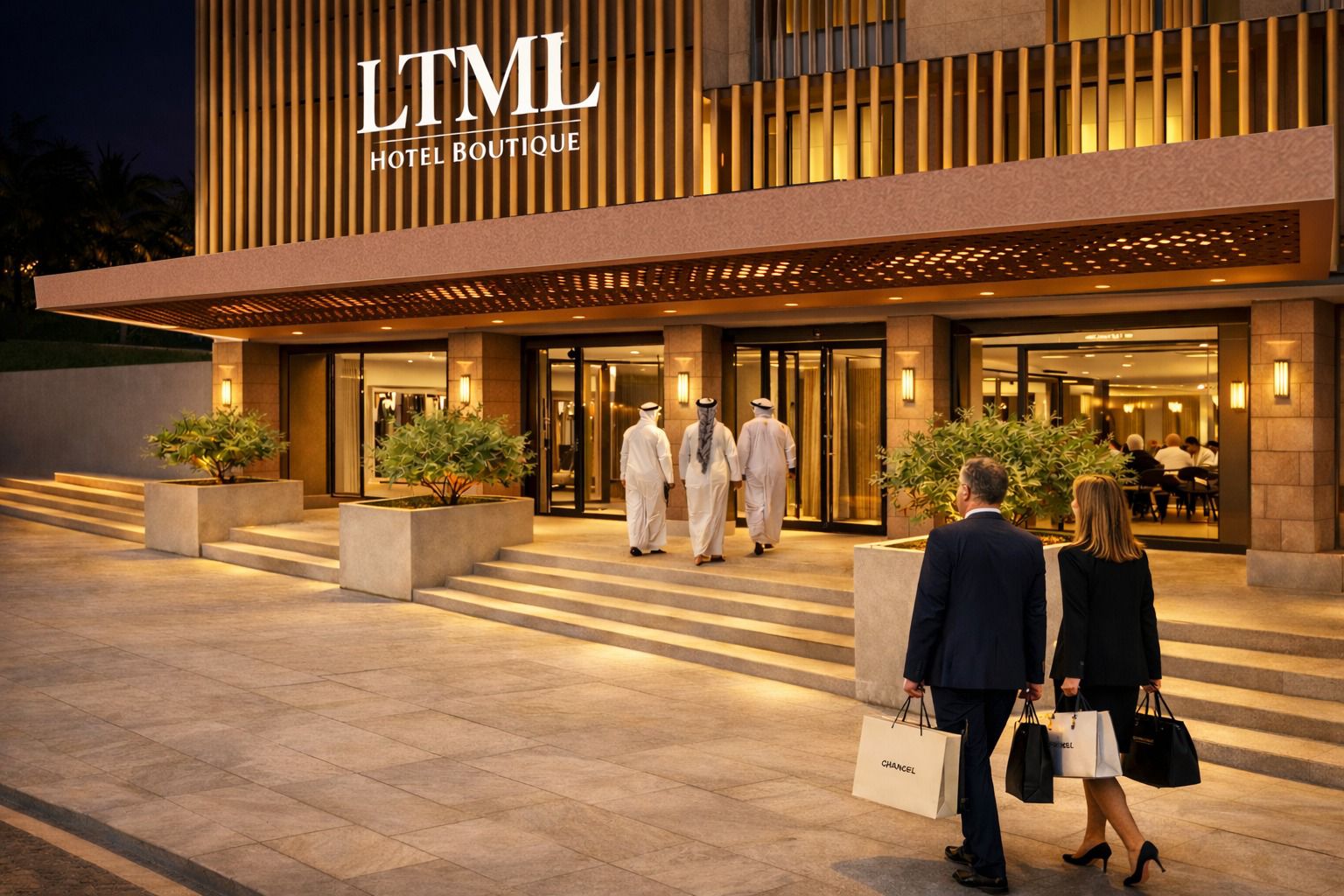
Seventy rooms to an agreed four-star specification, handed over six months from notice to proceed. Book your staff and your opening date against a handover you can plan around.
Tell us how many units and by when. We will give you the daily rate that gets you there, and the panel count, crew count and pour schedule that produce it.
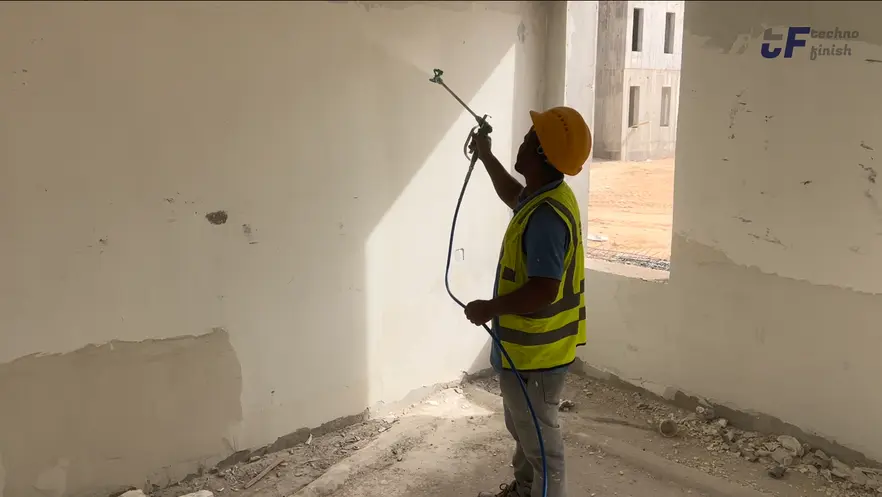
Add structural or finishing output to a project that is behind, without adding another specialist supplier to chase.
HOW THE LINE ACTUALLY WORKS
A villa at Ebayya is four pours: ground floor, first floor, roof, parapet. Twenty-four sets of aluminum formwork move through the site, and each set is assembled, poured, stripped and carried to the next villa the following day.
Nothing is consumed. The same panels build villa after villa. They are rated for more than a thousand pours, and we have that in writing, which means one set of panels can build more than 250 villas before it retires.
That is the difference between a construction site and a production line. On a site, the work moves and the building waits. On a line, the building stays and the tooling moves, at a rate you can count.
THREE OF FIVE RUN TODAY. TWO ARE BEING BUILT.
Most construction companies present a roadmap as though it were a catalog. Here is the honest split.
Reinforced concrete walls and slabs poured as one monolithic structure, on a repeating cycle. This is what produces three villas a day at Al Fursan.
Machine application of primer, putty, sanding and paint, so finishing can keep up once the structure speeds up.
Our own formwork plant. Today we buy formwork abroad at SAR 1,884 per square meter, pay for it in advance, and wait three months for it to arrive. STRUX ends that.
Machine placement for the most repetitive work on site, starting with full-tile flooring.

Our own production intelligence layer. It records every pour and every panel movement as it happens, forecasts what will be ready next, and warns where the line is about to stop.
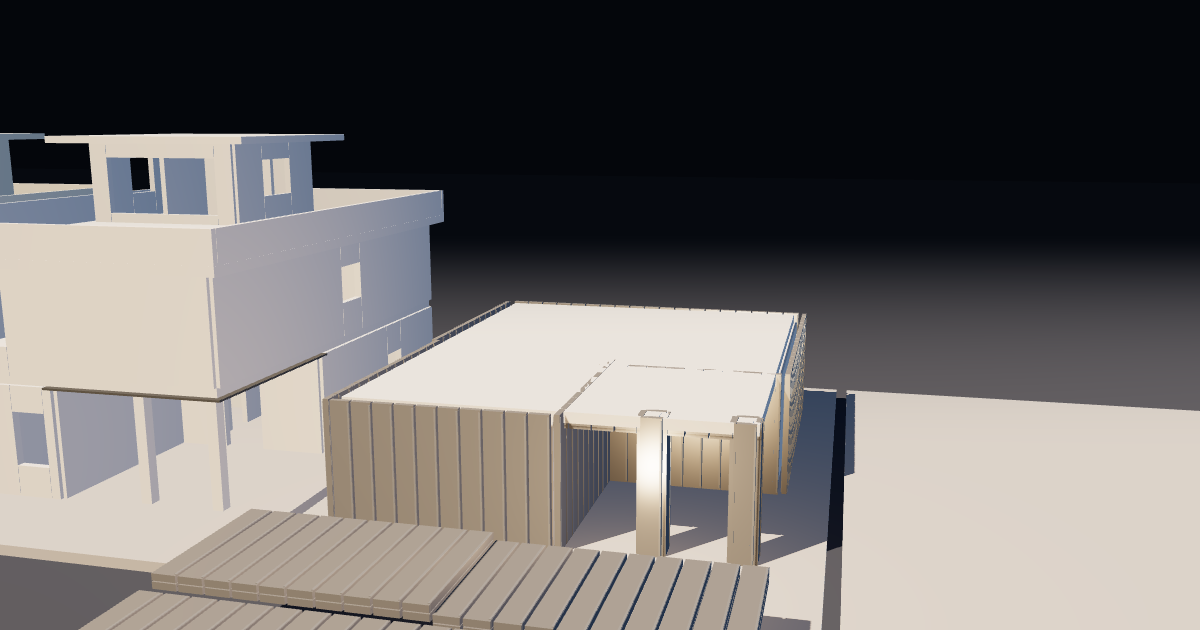
THE INTELLIGENCE LAYER FOR AUTONOMOUS CONSTRUCTION
Every panel movement and every pour at Ebayya is recorded as it happens, by the foreman, on his phone, in about four seconds.
That gives TAKT something a schedule never has: the actual rate, today, not the reported rate at month end. From it, TAKT forecasts which villa is ready next, where the next bottleneck is forming, and which crew, material or machine is about to be the thing everyone waits for.
The benefit is time. A bottleneck seen three days early is a crew moved. A bottleneck seen on the day is a crew standing still.
Know the live state.
See readiness and bottlenecks forming.
Move resources before the line loses time.
Progress from recommendation to controlled execution.
WHY THIS GETS CHEAPER EVERY TIME
A contractor is paid for a building, then starts the next one from nothing. Everything the crew learned walks off site with the crew.
A production line does the opposite. Every cycle at Ebayya is measured, compared to what was predicted, and carried forward. The next site inherits panel layouts that are already proven, cycle times that are already known, and a forecast that has already been tested about 4,300 times.
The formwork behaves the same way. The panels are an asset with a rated life above a thousand pours, not a cost that disappears into the job. Once they are bought, every subsequent villa they build costs less than the last.
Three villas per working day is what one production line produces. Nothing in the method caps it there. A second line is a second three, and it opens holding the panel layouts, the cycle times and the forecast that this one spent a year learning.
That is the entire argument for building a construction company this way.
PROOF BELONGS IN THE PHYSICAL WORLD
Every case study on this site states the client's requirement, our exact scope, the production method, and the result we can evidence. Where a number is a target rather than a measurement, it says so.
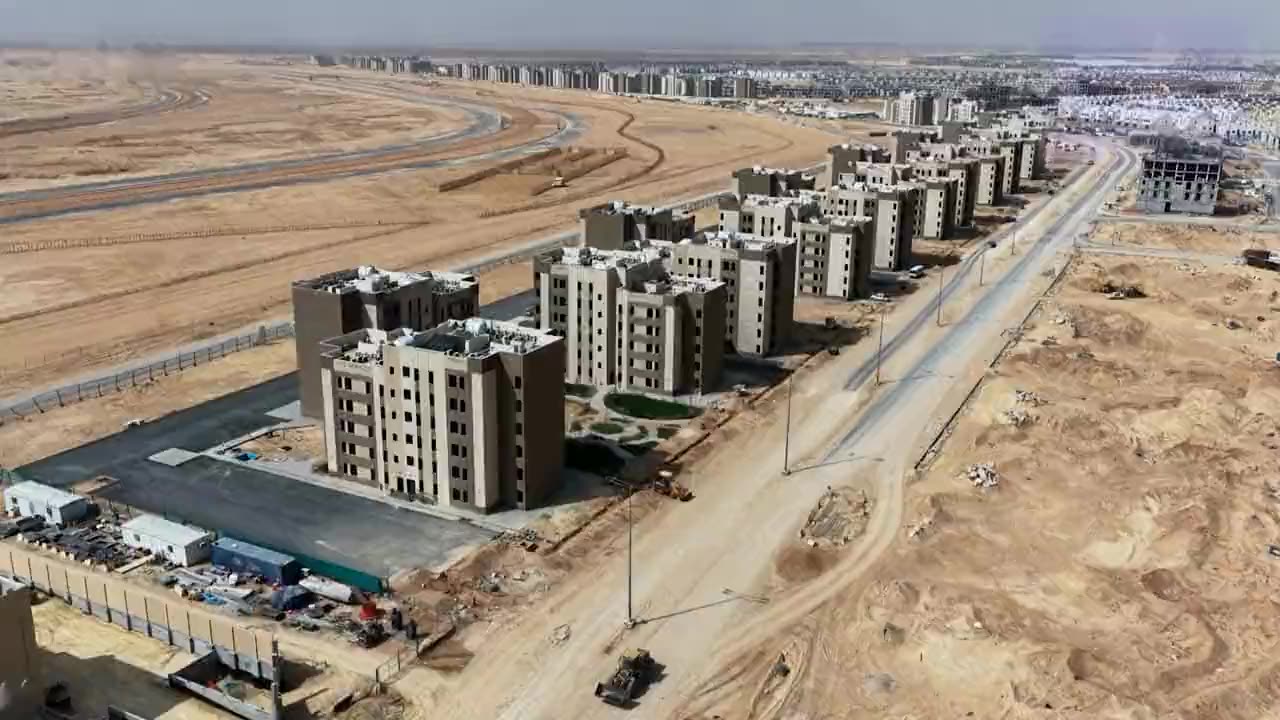
THE NEXT PROJECT
We will work backward from the date to the daily rate, and from the daily rate to the panels, crews and pours required to hold it. Then you can decide whether the arithmetic works.