Full-tile placement
Navigation and vision support controlled, repeatable placement across prepared areas.


CONSTRUCTION ROBOTICS · BEING BUILT FOR 2028
Floor tiling is precision work repeated until it stops feeling like precision work. That is exactly the shape of task a machine should have and a person should not.
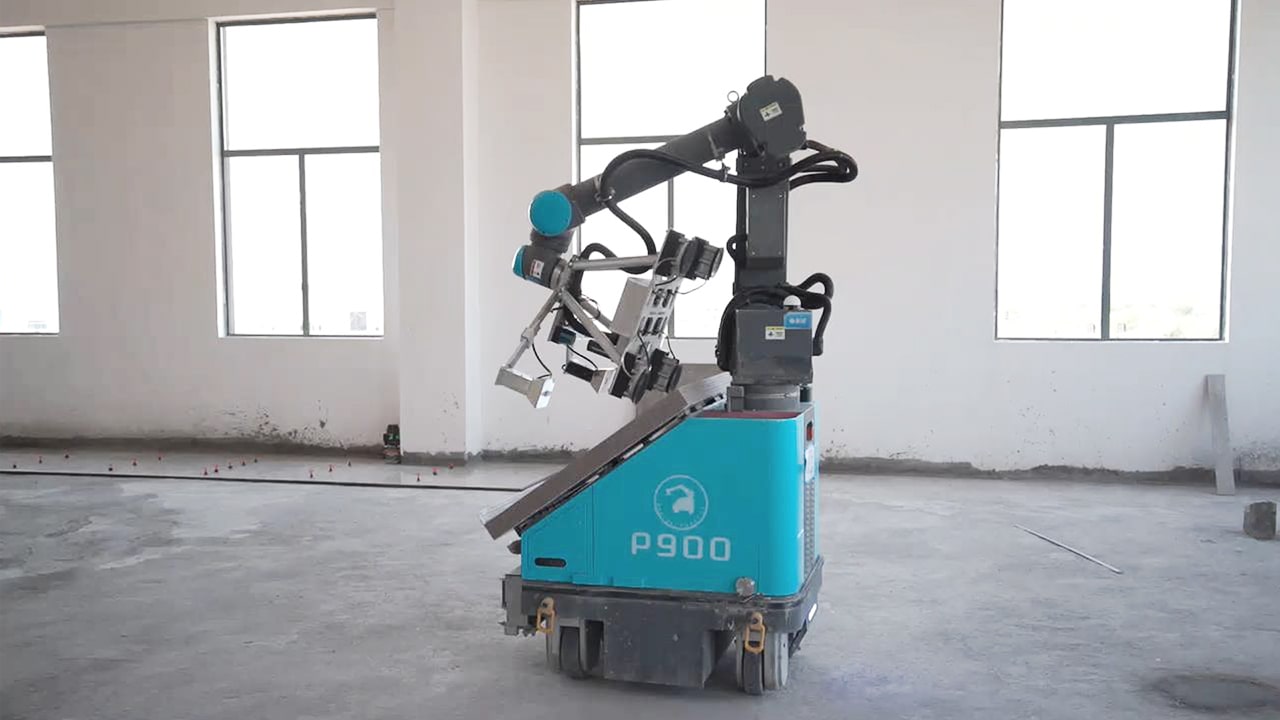
The P900 is on our 2028 roadmap. It is not on a site today, and this page says so because you would find out anyway.
P900 full-tile placement. Manufacturer field reference, not a TBS site.
MORE OUTPUT. MORE CONSISTENT EXECUTION.
The P900 uses navigation and vision to place full tiles through a controlled sequence in prepared, high-volume areas.
A trained crew supplies tiles and materials, manages obstacles, and completes every cut piece and detail the robot does not do. That is not a limitation being glossed over. It is the operating model: crew time shifts from placement toward supply, supervision and finish control, which is where a human is worth more anyway.
Navigation and vision support controlled, repeatable placement across prepared areas.
People manage materials, obstacles, cut tiles, detail work, exceptions and final acceptance.
What P900 brings together
SLAM-based positioning lets the machine understand and move through a prepared work area.
Camera guidance supports accurate placement against the planned grid.
Tile height and alignment controlled across repeated placements, not just between neighbors.
Adhesive applied within the machine's working sequence for more controlled material placement.
The crew plans and monitors the work through a field interface built for gloves and daylight.
Specified performance
MANUFACTURER-SPECIFIED: UP TO 18 M² PER HOUR WITH 800 × 800 MM FULL TILES
The manufacturer also reports alignment and height uniformity within ±0.5 mm under specified conditions.
These are the manufacturer's figures, not ours, and we will not present them as ours until we have run the machine on a TBS site. Floor preparation, room geometry, tile size, material supply, obstacles and crew workflow all determine real output.
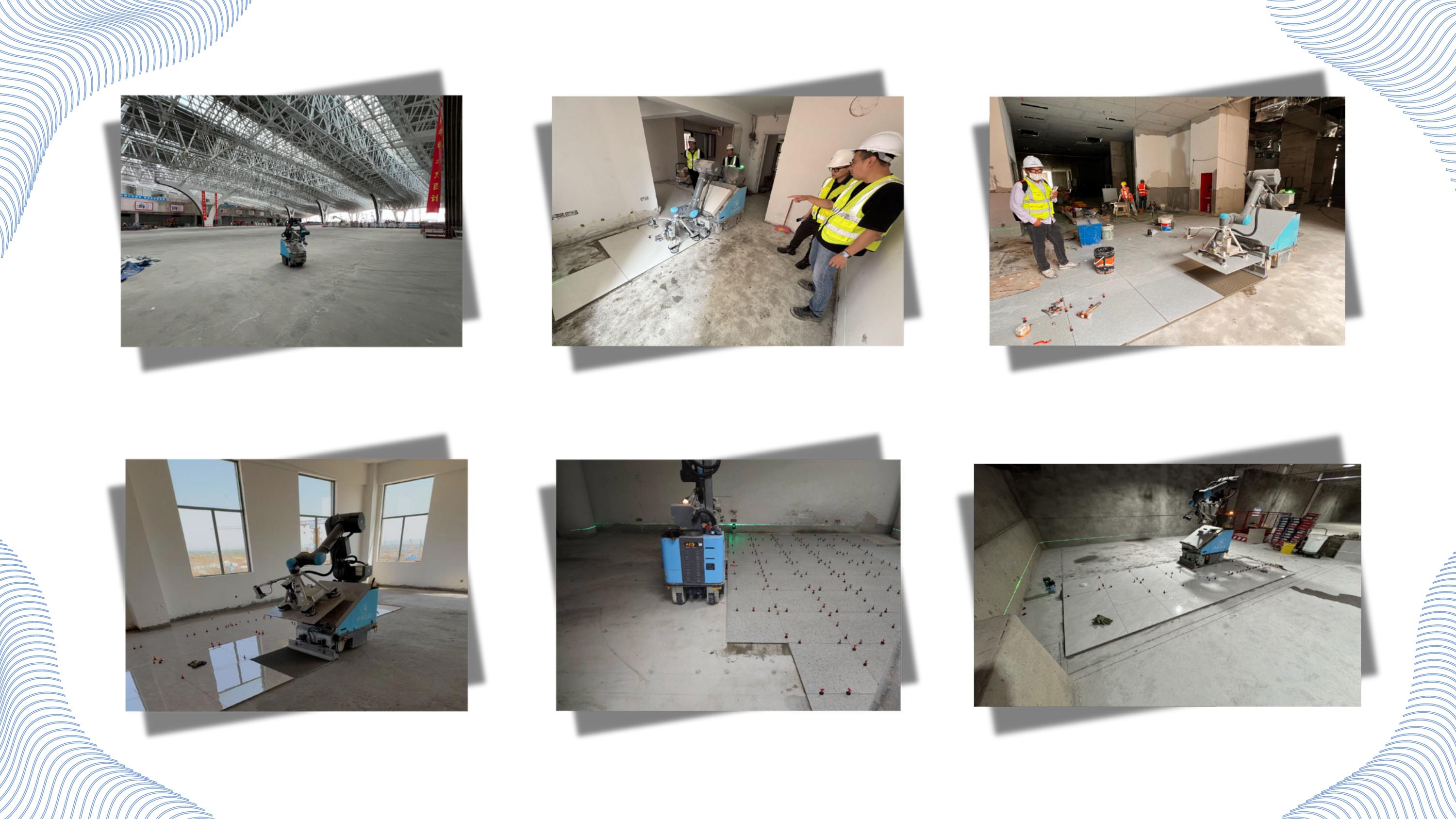
ROBOTICS CREATES THE MOST VALUE WHERE WORK REPEATS
Prepared, high-volume flooring using compatible full-tile sizes:
People stay responsible for setup, material flow, exceptions, cut tiles, detail work and final acceptance.
THE ROBOT SHOULD ARRIVE WHEN THE FLOOR IS READY
This is why we are building the intelligence layer before the robots rather than after. A machine that can place 18 square meters an hour is worth nothing on a morning when the zone is not ready, the adhesive has not arrived, or the previous trade is still in the room.
TAKT forecasts which zone will be ready next, when the materials are required, and where a constraint would leave a machine standing. The robot does the repeatable physical task. TAKT decides when it should be there.
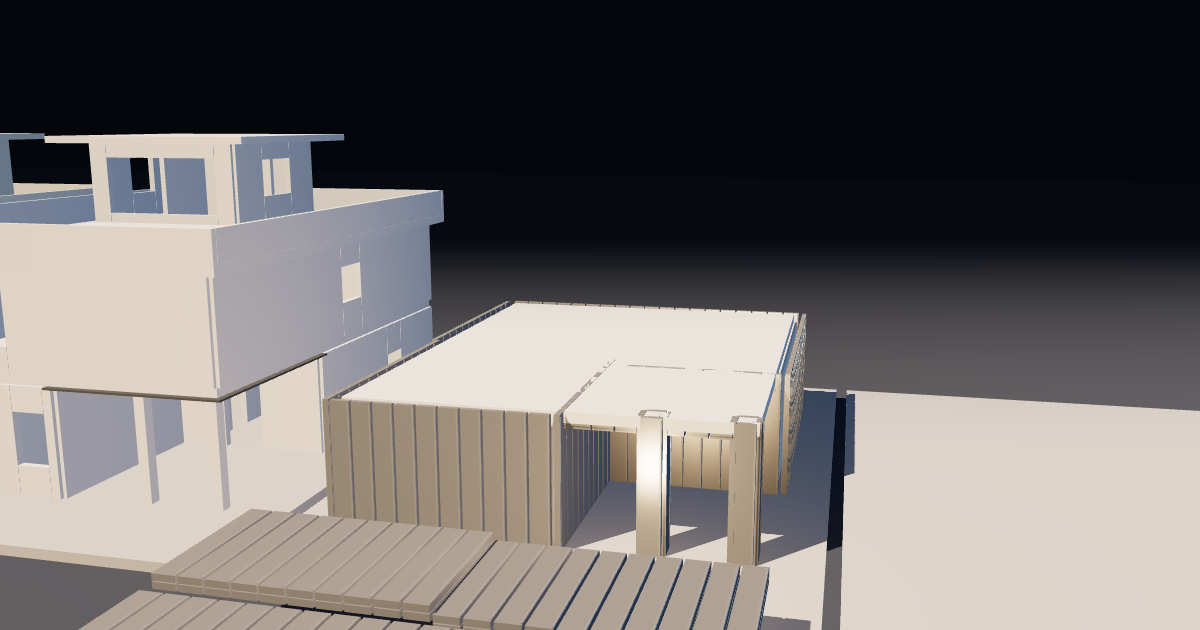
A PLATFORM FOR AUTONOMOUS PHYSICAL EXECUTION
P900 anchors the 2028 target. The roadmap beyond it integrates machines around real production needs, connects them to TAKT, and expands the physical work executed with machine precision.
The order matters. Repeat, then predict, then automate. A robot introduced before the line is predictable is a demonstration, not a capability.